



A practical engineering method for selecting load profiles, measuring source performance, recording evidence and turning a load-bank test into a maintenance decision.
1. What problem does a load bank solve?
A load bank applies a controlled electrical load so a generator, UPS, rectifier or battery system can be tested without risking the real critical load. Useful tests define the load steps, stabilization time, measured variables and acceptance limits before the test starts.

2. Resistive, reactive and electronic loads
Resistive load banks mainly test kW and thermal capability. Reactive sections add kVAR and let engineers evaluate generator or alternator behavior at lower power factor. Programmable electronic loads are especially useful on DC systems where constant-current, constant-power or constant-resistance modes are required.
3. Build the test plan before connecting cables
A professional test plan records source rating, voltage, frequency, current, earthing, cables, protection, ventilation, ambient limits, test duration and load points. It also defines abort criteria such as abnormal temperature rise, voltage collapse, smoke, oil alarms or fan failure.
4. Generator testing and wet stacking
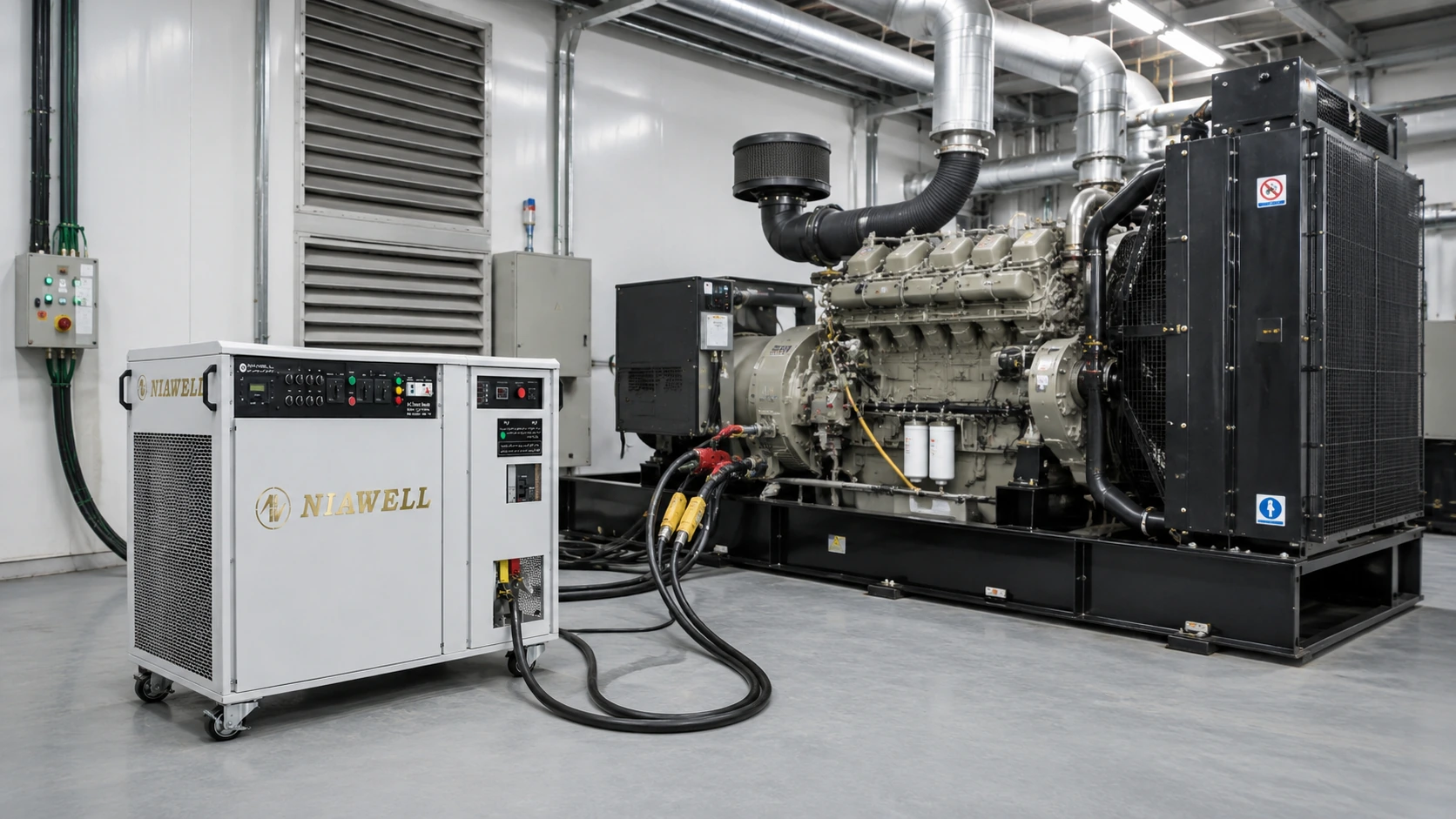
Diesel generators that run for long periods at very light load may suffer incomplete combustion and deposit buildup commonly called wet stacking. A controlled load-bank program helps bring the engine into a healthy operating region while voltage, frequency, temperature and engine parameters are recorded.
5. UPS, rectifiers and battery banks
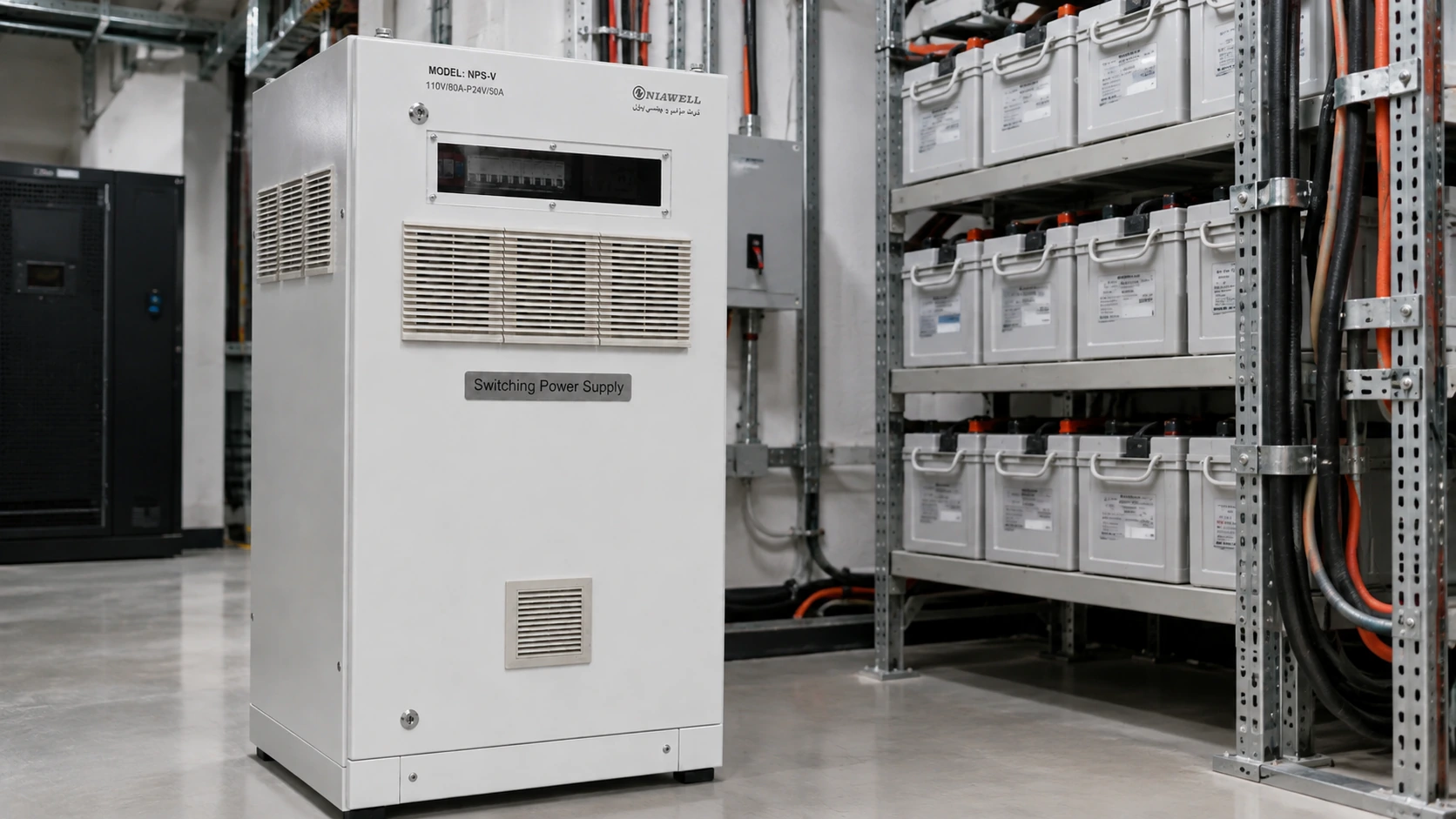
For UPS and DC systems, testing should cover the rectifier, inverter, DC link, bypass and battery path where applicable. Battery discharge tests need controlled current or power, a clear end voltage, cell monitoring on important banks and calibrated measurement when the result affects replacement or acceptance decisions.
6. Safety, cables, airflow and heat
Nearly all power absorbed by a resistive load bank becomes heat. Air intake and exhaust paths must remain clear, hot air must not recirculate into the load bank or generator radiator, and temporary cables must be selected for current, length, voltage drop, ambient temperature and installation method.
7. What belongs in the final report?
A defensible report identifies the equipment, initial conditions, load profile, stabilization time and measured values, then compares them with the agreed acceptance limits. It should separate observations from diagnosis and preserve raw data so future tests can be trended against previous results.
8. Load-bank selection checklist
Select the load bank from the source type, AC or DC voltage, phase count, frequency, maximum current and required power. Then check load type, step resolution, continuous duty, control method, data logging, mobility, IP rating, noise and environmental limits.
9. Data quality and acceptance limits
Acceptance limits should come from the project specification, manufacturer documentation and applicable standards rather than a generic percentage. Instruments, sampling interval and calibration should match the decision being made, especially for battery replacement or high-value equipment acceptance.
10. Field checklist and common mistakes
Before energizing, verify cable rating, polarity or phase sequence, protective devices, airflow, emergency stop, earthing and communication with the equipment operator. Common mistakes include undersized cables, blocked airflow, large uncontrolled load steps and testing without predefined acceptance criteria.
Sources and references
This article is original editorial content informed by the references below. Final project requirements must be checked against the applicable standards and manufacturer data.