



A load bank is a controlled electrical load used to test the real capability of generators, UPS systems, batteries and power supplies without risking the real site load.
1. In simple words: what does a load bank do?
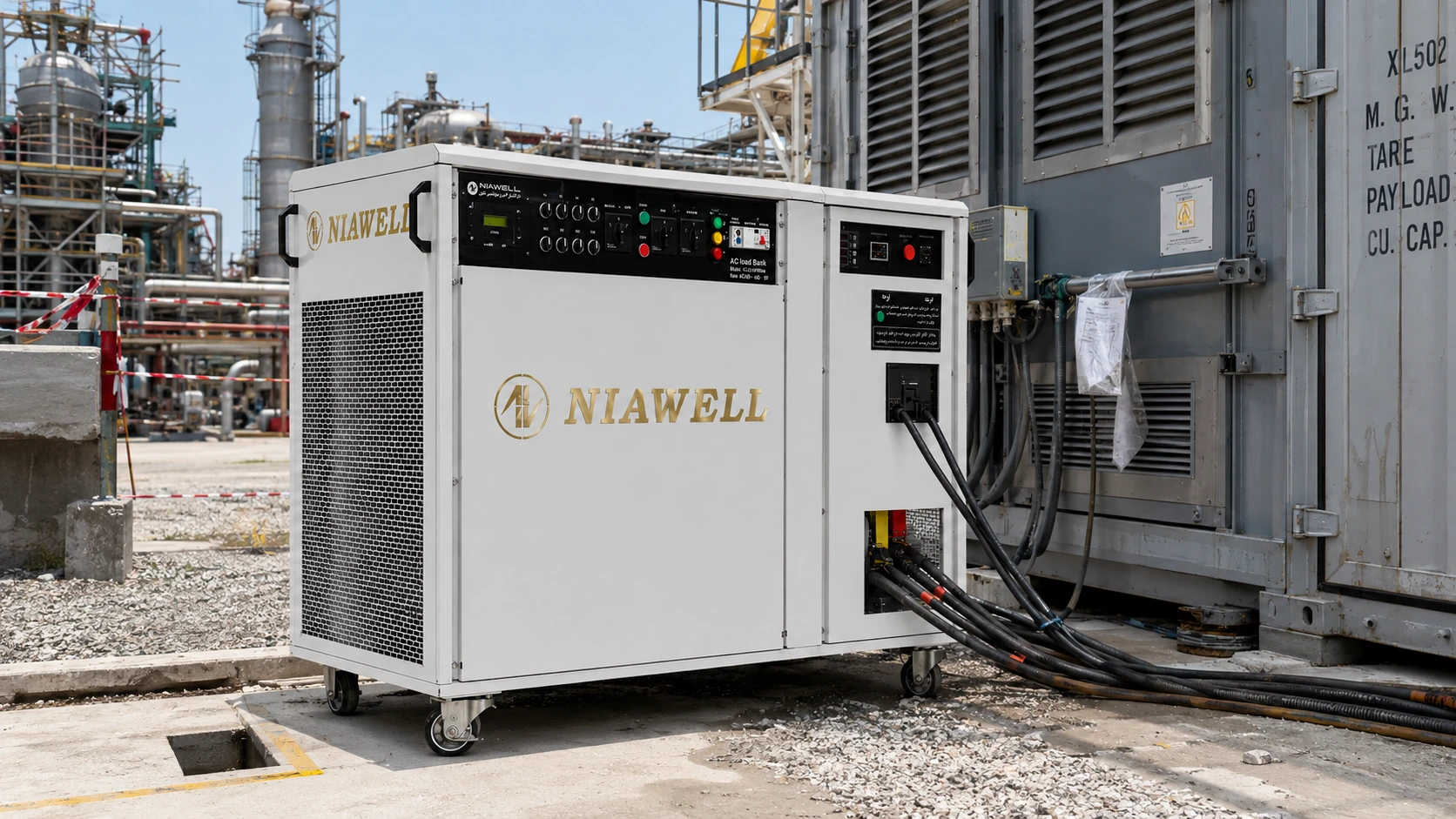
Imagine an emergency generator. Starting successfully does not prove it can carry 50, 200 or 500 kW during a real outage. A load bank connects as a controlled test load so the operator can increase demand in known steps.
While the load rises, voltage, current, frequency, temperature and alarms are observed. In that sense, a load bank is a measurable test consumer.

2. Where are load banks used?
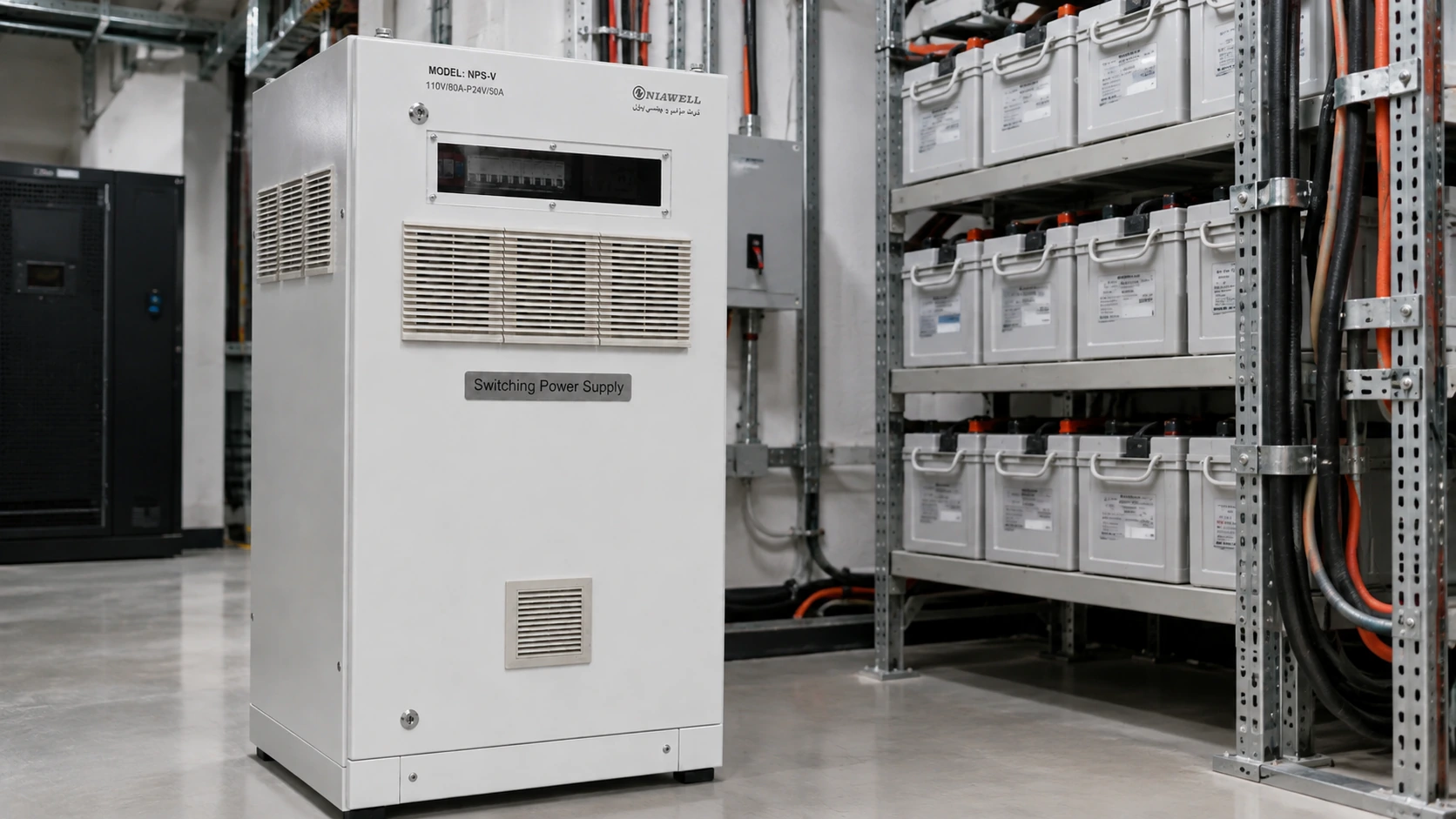
The most familiar use is diesel-generator testing, but load banks are also used with UPS systems, inverters, rectifiers, DC supplies and battery banks. Data centers, hospitals, oil and gas sites, power plants, telecom facilities and factories are common users.
The key advantage is that the critical site load does not need to be used as the test load. The artificial load is controlled, repeatable and easier to measure.

3. What are the main load-bank types?
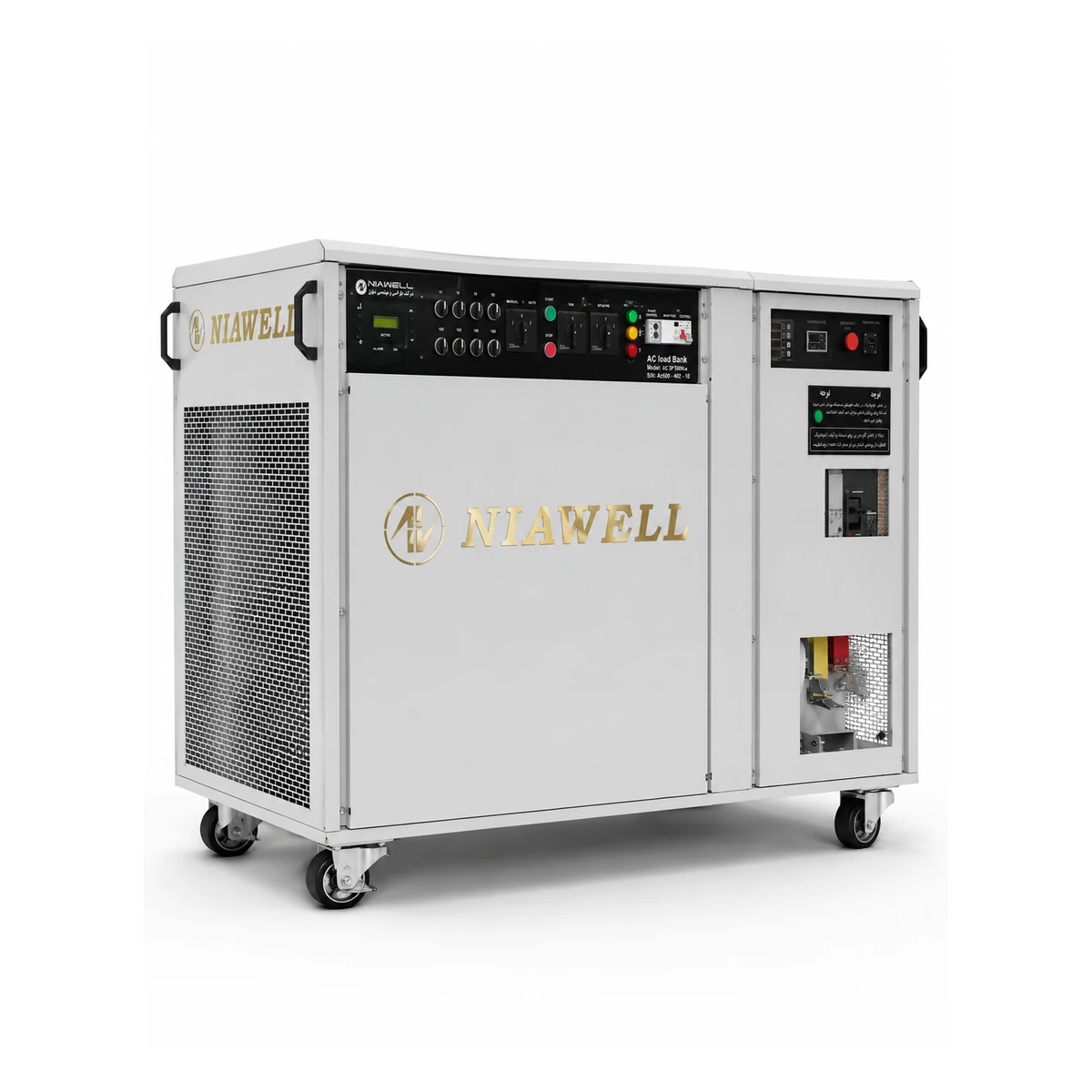
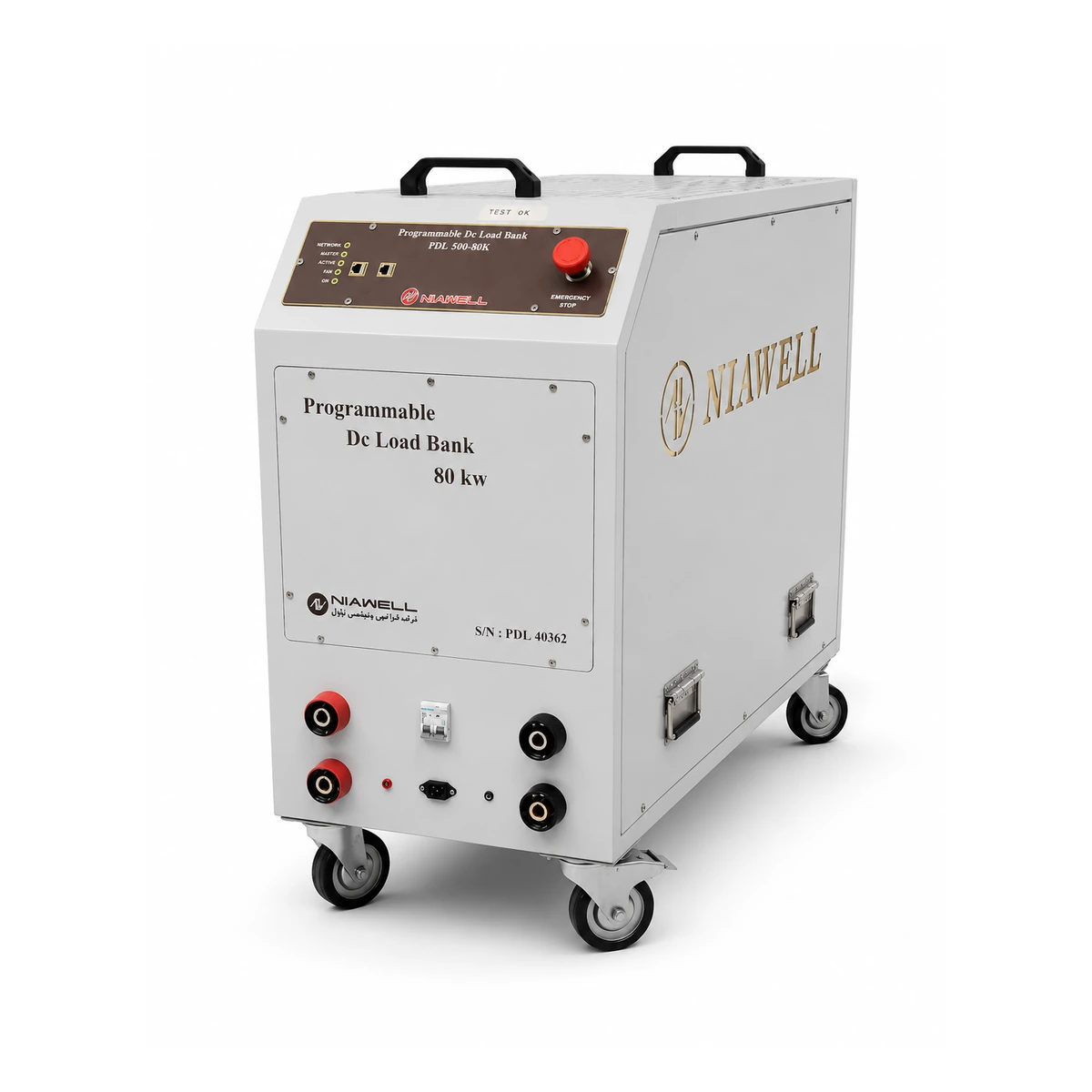
Resistive load banks are common for testing active power in kW. Reactive sections add kVAR to simulate motor and transformer behavior. On DC systems, programmable electronic loads can operate in constant-current, constant-power or constant-resistance modes.
The correct type depends on the source, voltage, AC or DC system, required power and the purpose of the test.
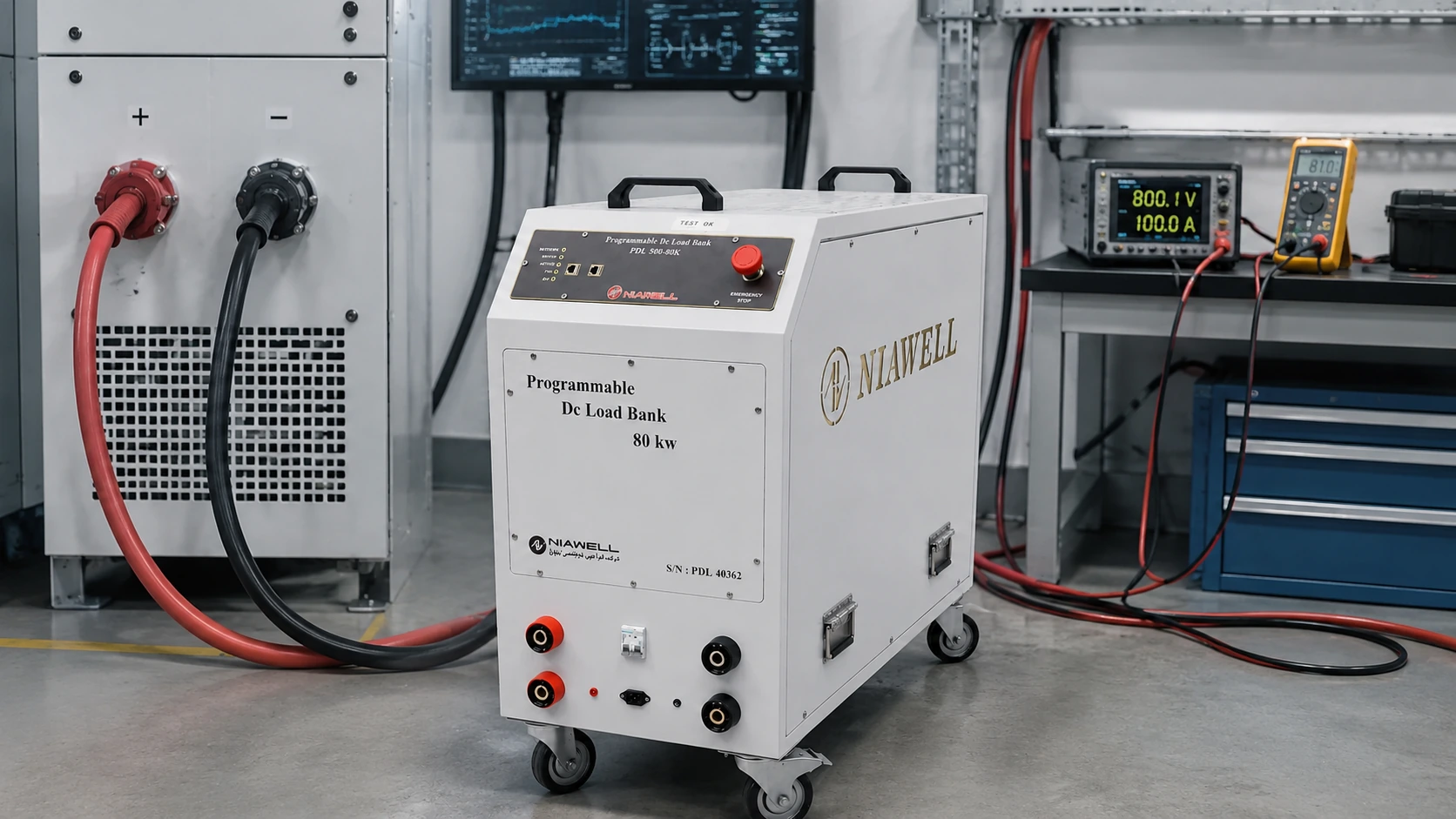
4. How is a load-bank test performed?
After checking cable capacity, protection, airflow and safety, the load bank is connected to the source. Load is usually increased in steps such as 25, 50, 75 and 100 percent while the required parameters are recorded. The test stops if abnormal behavior appears.
Exact steps and durations must come from the equipment manufacturer and the site test procedure. The load bank is the tool; the test plan still needs engineering.
Sources and references
This article is original editorial content informed by the references below. Final project requirements must be checked against the applicable standards and manufacturer data.