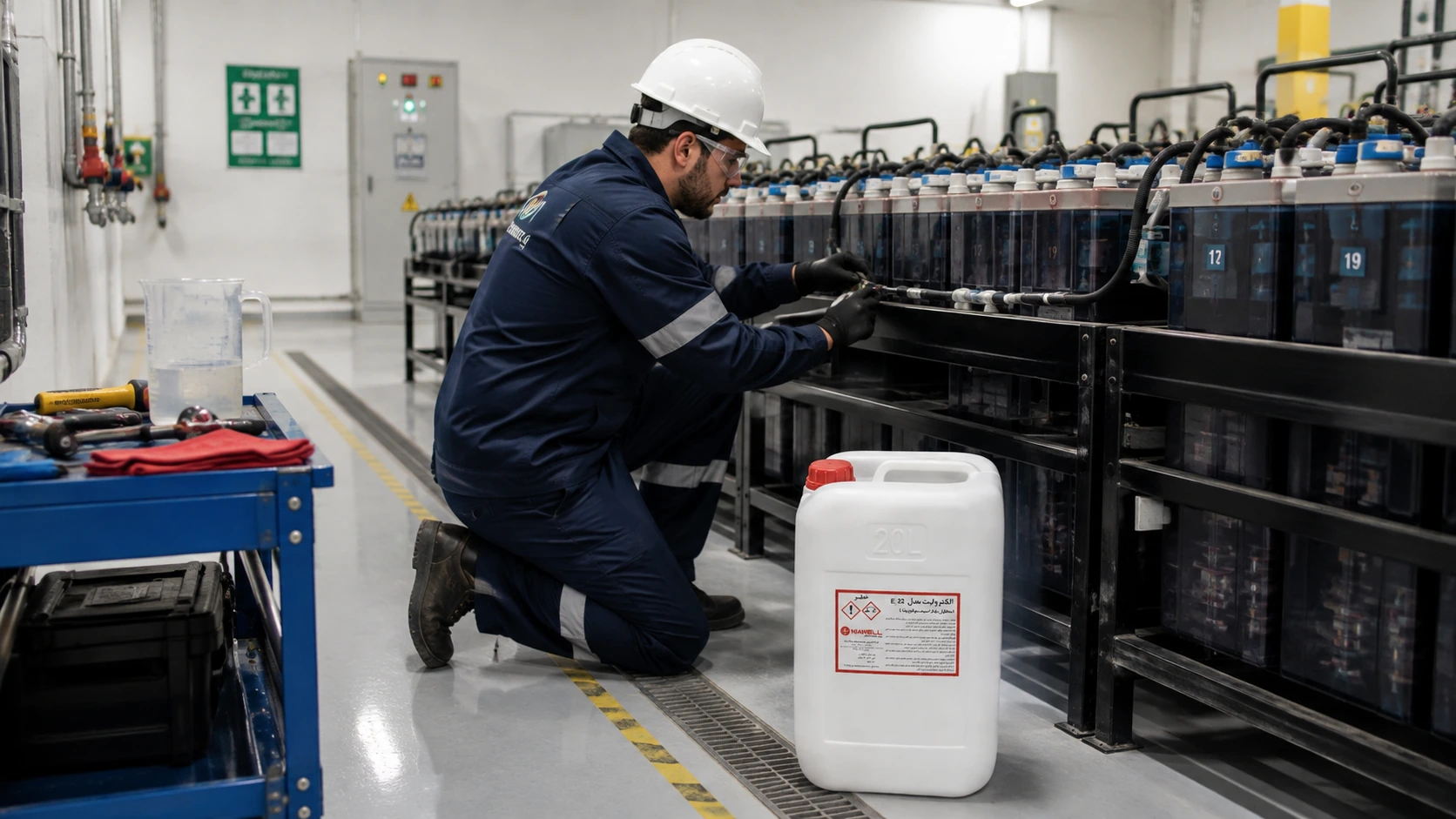



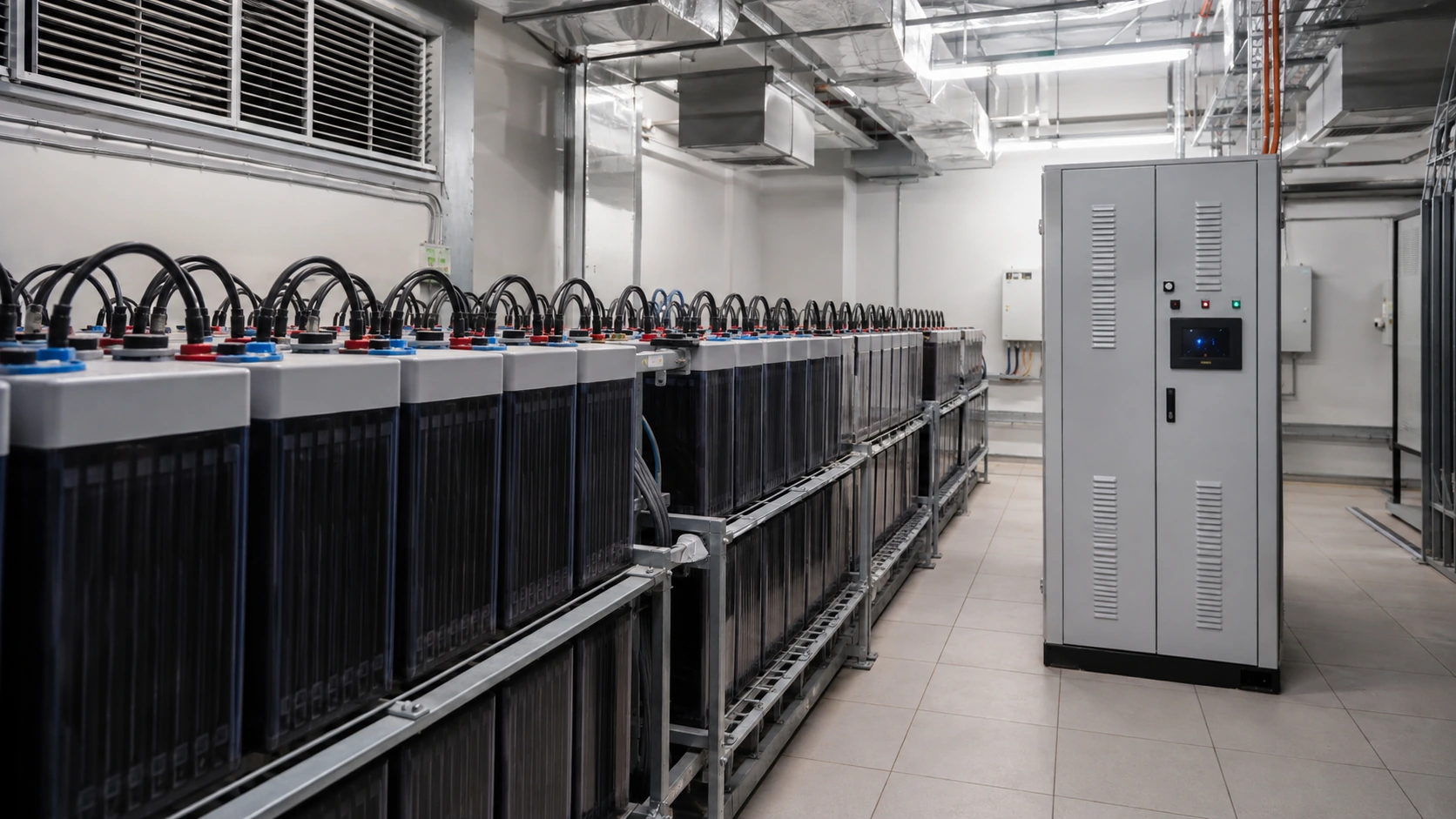
A battery bank is a group of batteries connected to store energy and provide DC or backup power for UPS, substations, power plants and control systems.
1. What does battery bank mean?
A battery bank is a set of cells or batteries connected in series, parallel or a combination so the system reaches the required voltage and capacity.
In an industrial DC system it can keep relays, PLCs, telecom equipment, emergency lighting or a UPS supplied when AC power is lost.

2. Series vs. parallel connections
Series connection adds voltage, so a defined number of cells is used to reach the system voltage. Parallel strings increase available capacity and current, but they need correct protection and current sharing.
Cell count, cell voltage and Ah capacity must match the battery chemistry and project duty.
3. What does the charger do?
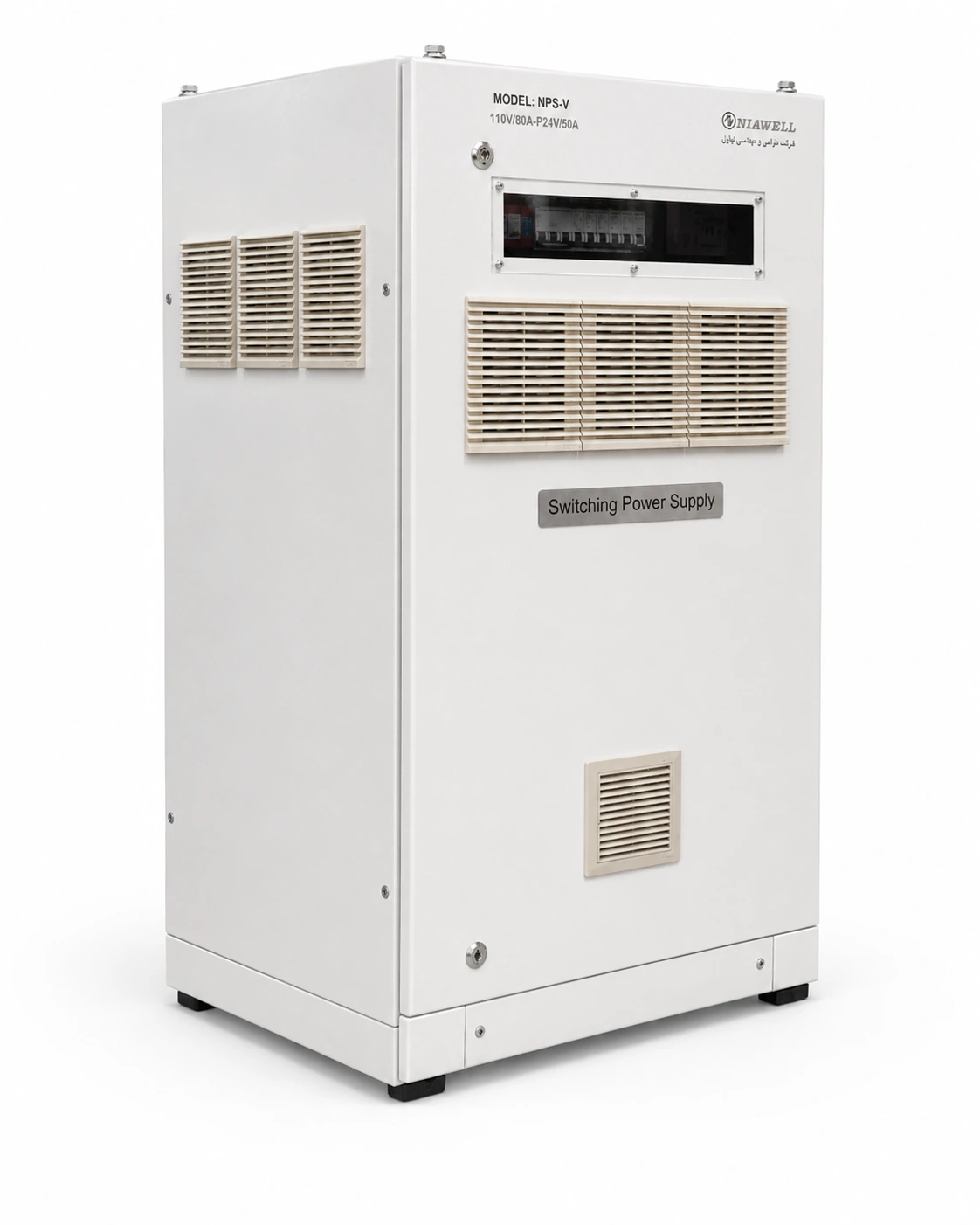
A battery bank is not a complete system by itself. A rectifier or industrial charger normally supplies the DC load and keeps the battery charged. When AC power disappears, the battery immediately supports the DC bus.
Charge settings must match the battery chemistry; incorrect voltage can shorten battery life.
4. How do we know a battery bank is healthy?
Total voltage alone is not enough. Maintenance checks cell voltages, temperature, terminals, corrosion, electrolyte level where applicable, charger operation and alarms.
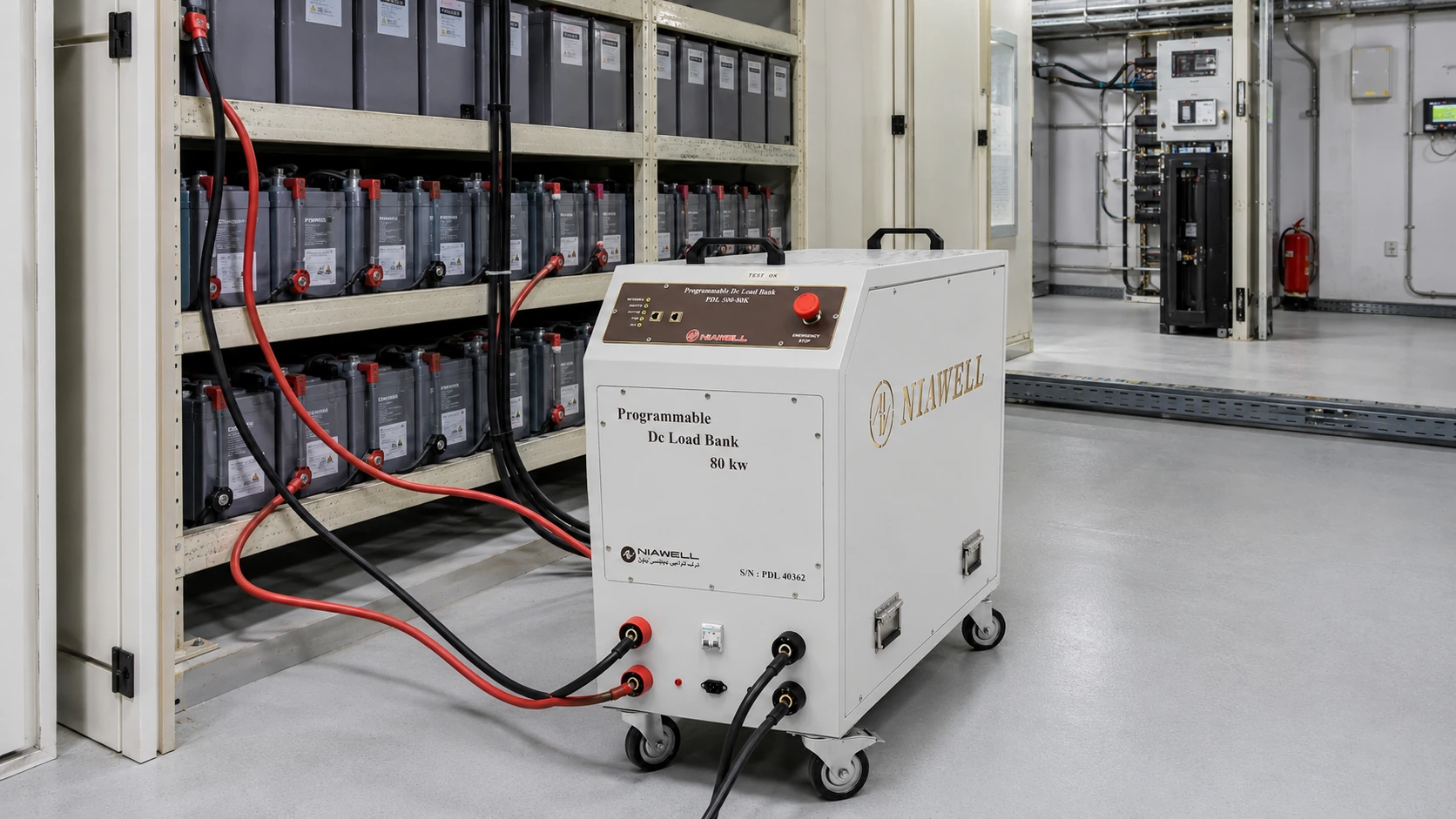
A controlled discharge test at a defined current or power is used when the real available capacity must be measured.
Sources and references
This article is original editorial content informed by the references below. Final project requirements must be checked against the applicable standards and manufacturer data.