



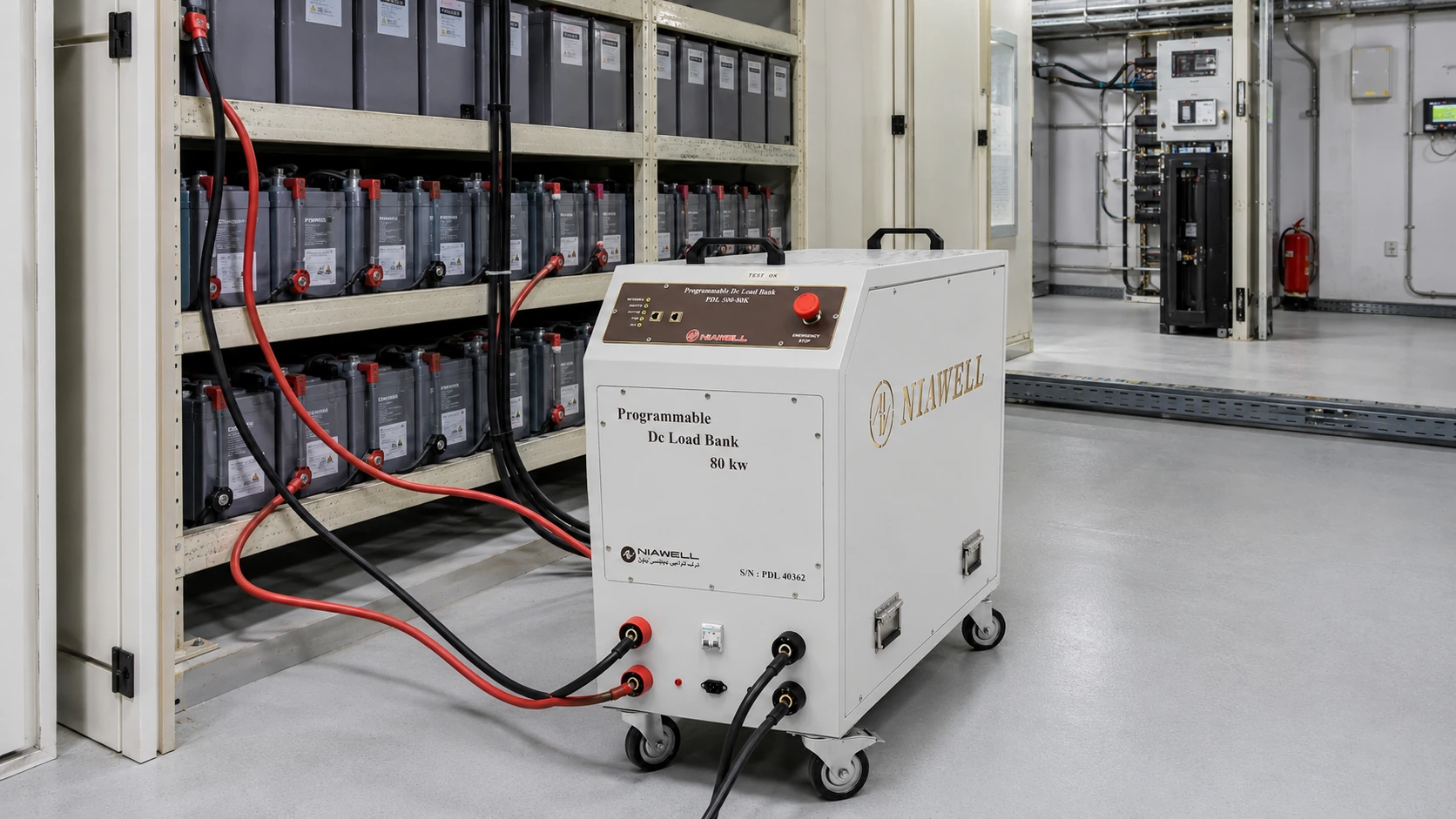
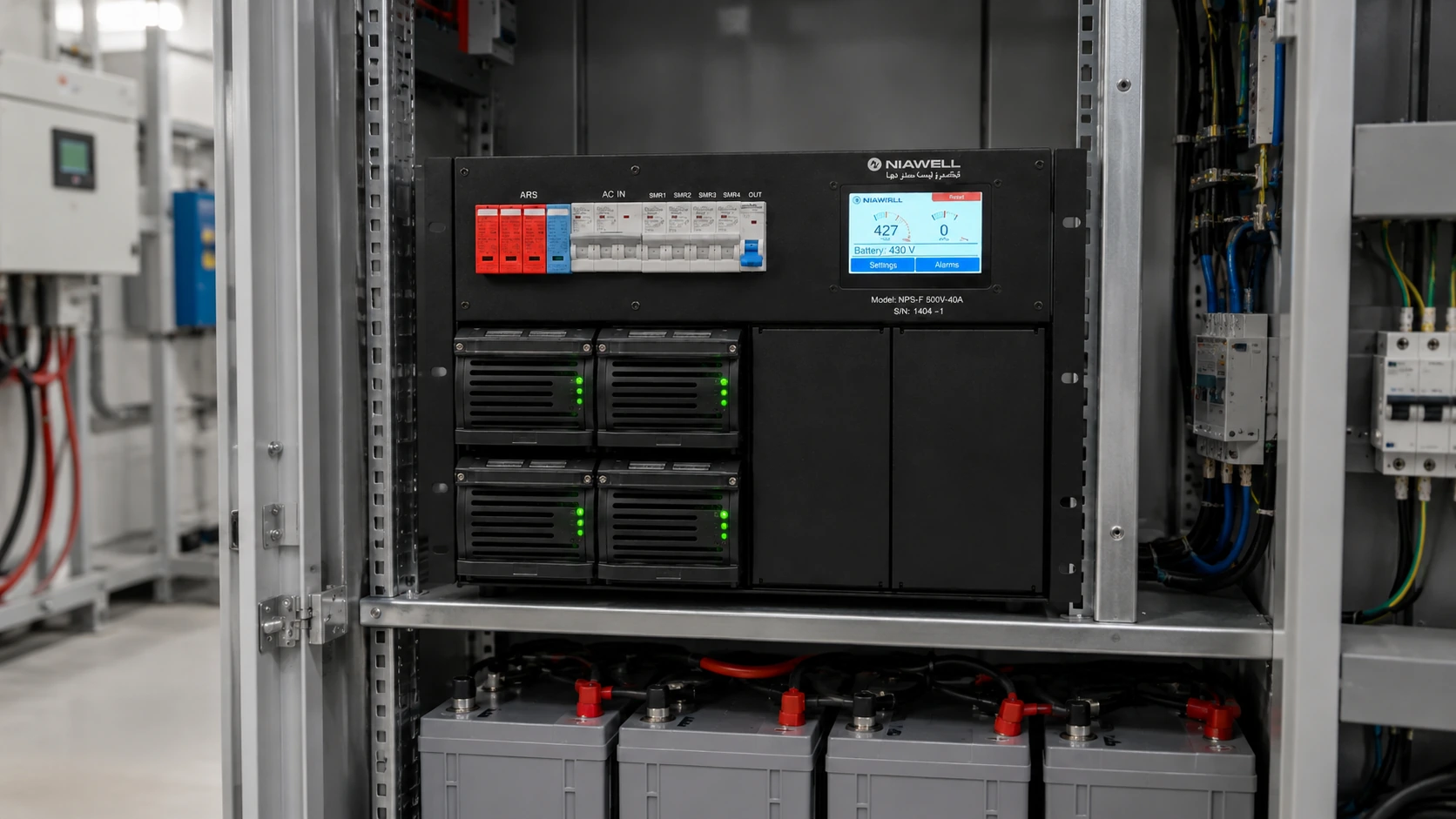
An industrial rectifier converts AC power into regulated DC so it can feed DC loads and maintain a battery bank with the correct charging profile.
1. What is the rectifier’s main job?
A rectifier takes AC input and converts it into controlled DC voltage. In substations, power plants, refineries and telecom sites, relays and control circuits often need to remain alive even when AC power is lost.
That is why the rectifier, DC load and battery bank are normally designed as one system.
2. What happens normally and during an outage?
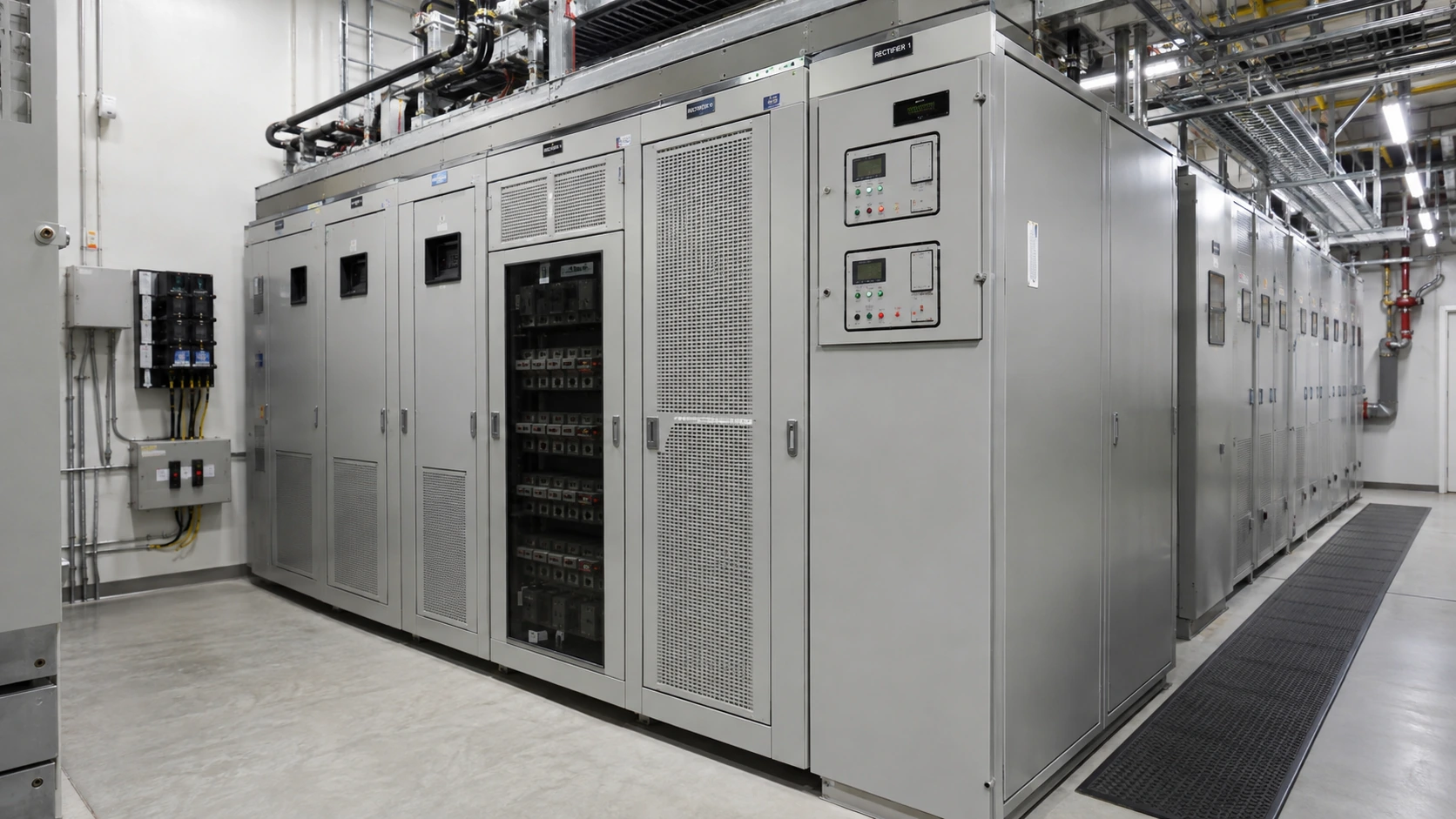
In normal operation the rectifier supplies the DC load and keeps the battery on float. If AC input fails, the battery supports the same DC bus almost instantly.
When AC returns, the rectifier takes the load again and recharges the battery with controlled current and voltage.
3. How is rectifier capacity selected?
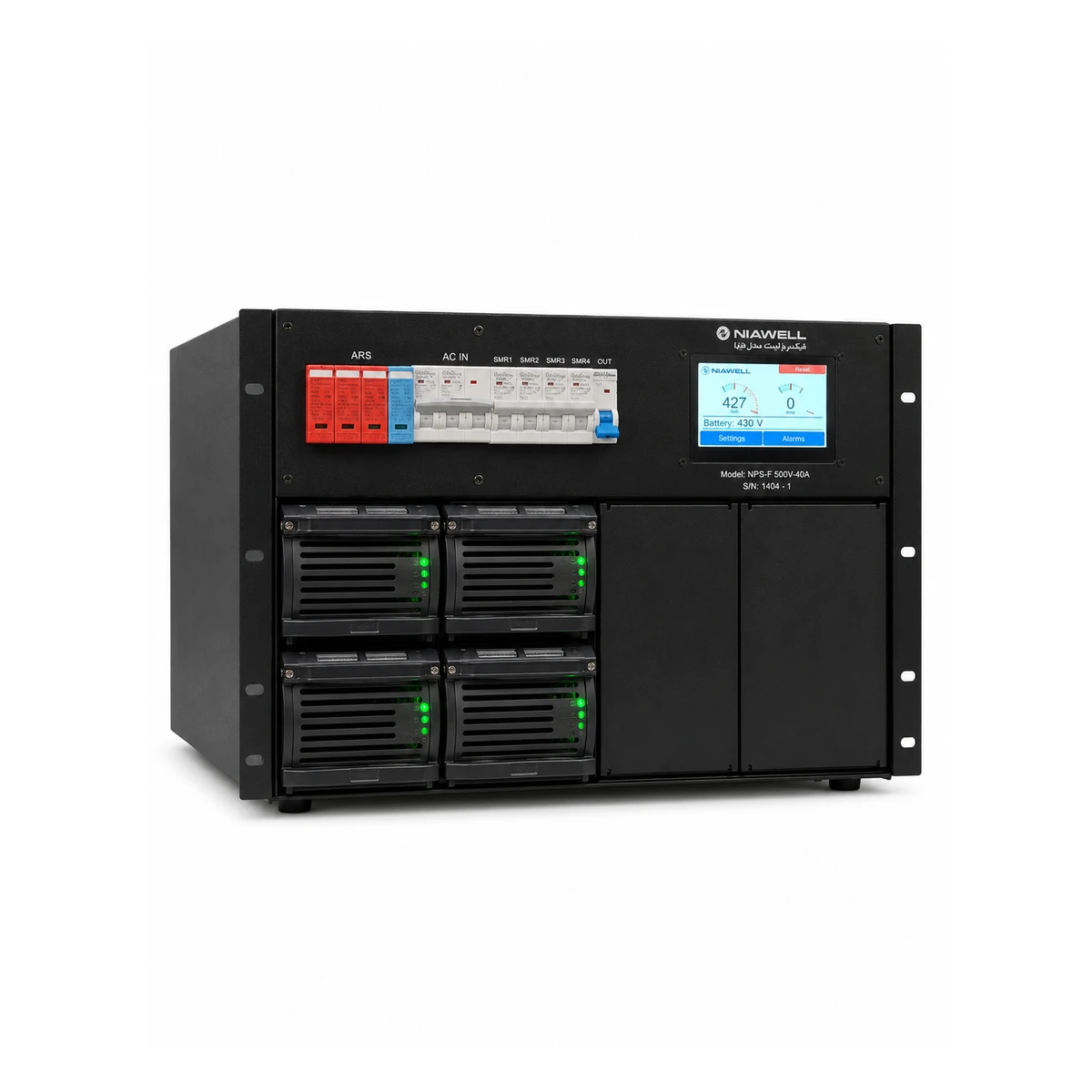
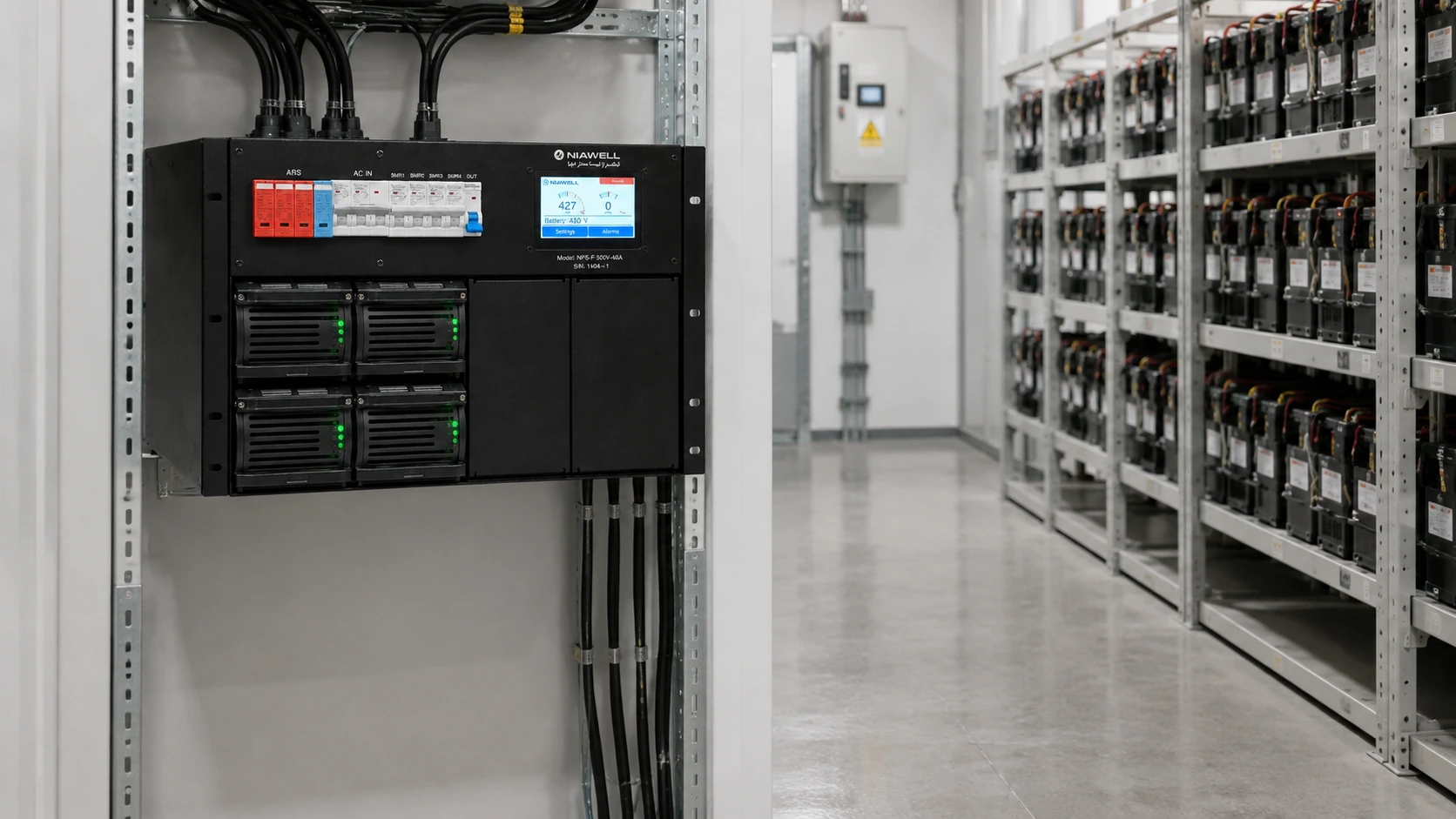
Capacity is not simply the sum of the loads. The rectifier must support the continuous DC demand and also provide the required recharge current after a battery discharge. Critical systems often use N+1 redundancy.
Ambient temperature, altitude, airflow and cable drop can also affect the usable capacity.
4. What information is needed to select a unit?
At minimum, provide AC input, DC output, load current, battery type and capacity, cell count, required autonomy, ambient conditions, redundancy and communication needs.
With this information the system can be engineered for the actual project instead of choosing a model only because it has a larger current rating.
Sources and references
This article is original editorial content informed by the references below. Final project requirements must be checked against the applicable standards and manufacturer data.