



An SPD limits short overvoltage surges caused by lightning effects or switching so less surge energy reaches sensitive equipment.
1. What exactly does an SPD handle?
An SPD is not a normal short-circuit breaker and it is not a steady-voltage regulator. Its job is to limit very fast overvoltage pulses caused by lightning effects, switching or inductive equipment.
During the surge it provides a lower-impedance path for the surge energy and limits the residual voltage according to its design.
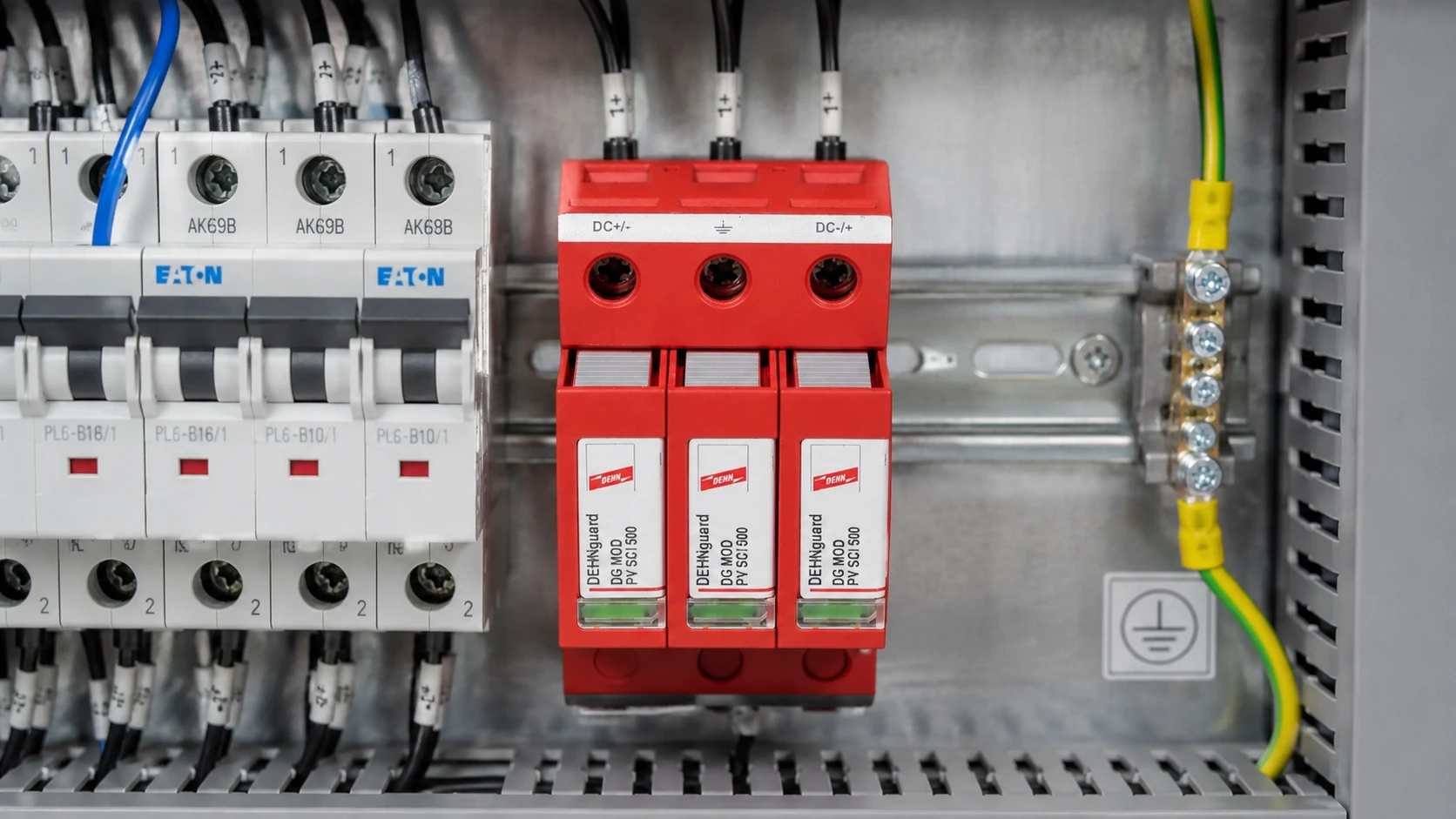
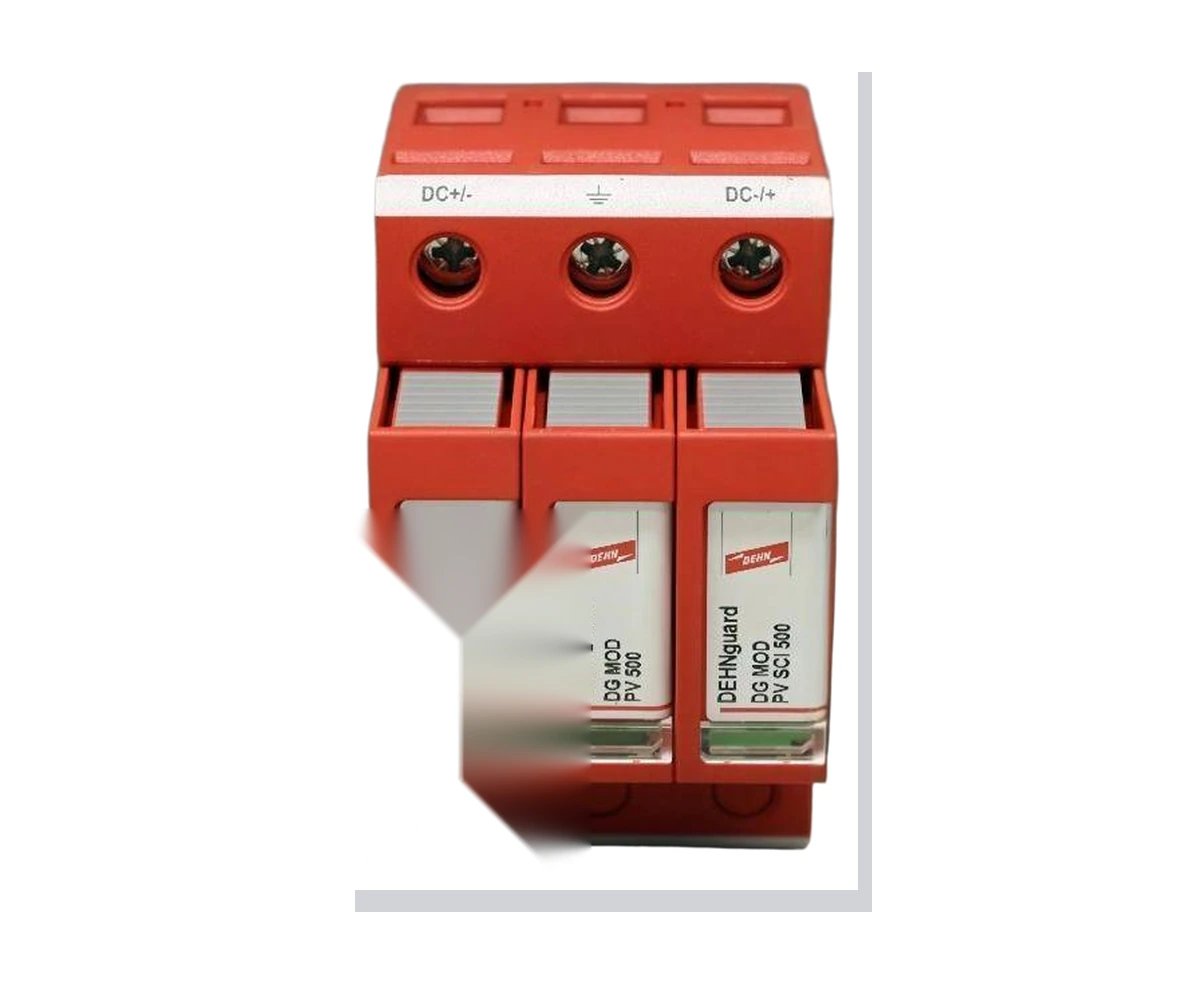
2. Where is it installed?
Depending on the protection level, an SPD may be installed at the service entrance, distribution panel or close to sensitive equipment. Industrial designs often use several coordinated stages.
Power is not the only path; signal, network and instrumentation cables may need their own compatible protection.
3. Which values matter when selecting an SPD?
SPD type, continuous operating voltage Uc, protection level Up, surge-current parameters, earthing system and backup protection all matter. A kA value by itself is not enough.
Connection length to the bus and PE also matters because long conductors add inductive voltage during a fast surge.
Sources and references
This article is original editorial content informed by the references below. Final project requirements must be checked against the applicable standards and manufacturer data.